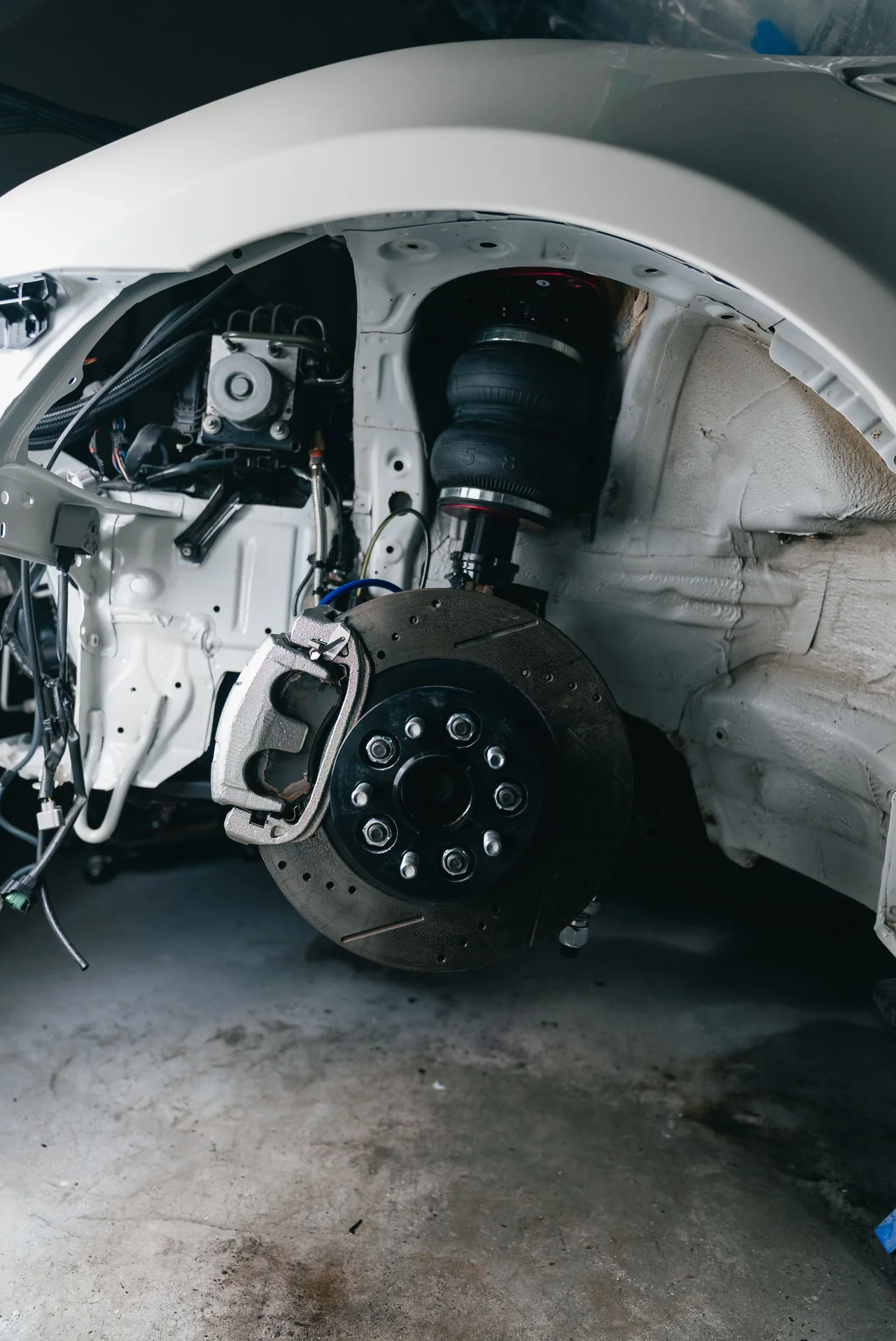
Understand the condition of the complete brake system before choosing the repair.
Brake noise, vibration and changes in pedal feel deserve a closer look. We inspect the system and explain the condition of the parts before recommending service.
A brake concern is easier to plan for when you know which parts need attention and why. Pads are only one part of the system: rotors, calipers, hardware and hydraulics can also affect how the vehicle stops. Inspection helps distinguish normal wear from a fault that needs a different repair.
How the braking system works together
Pressing the brake pedal creates hydraulic pressure that applies the brakes at the wheels. On a disc-brake system, calipers press pads against rotors, turning vehicle motion into heat. Some vehicles use drum brakes at the rear, with shoes and related hardware that require a different inspection. Friction material, moving parts and the hydraulic circuit each play a role in consistent braking.
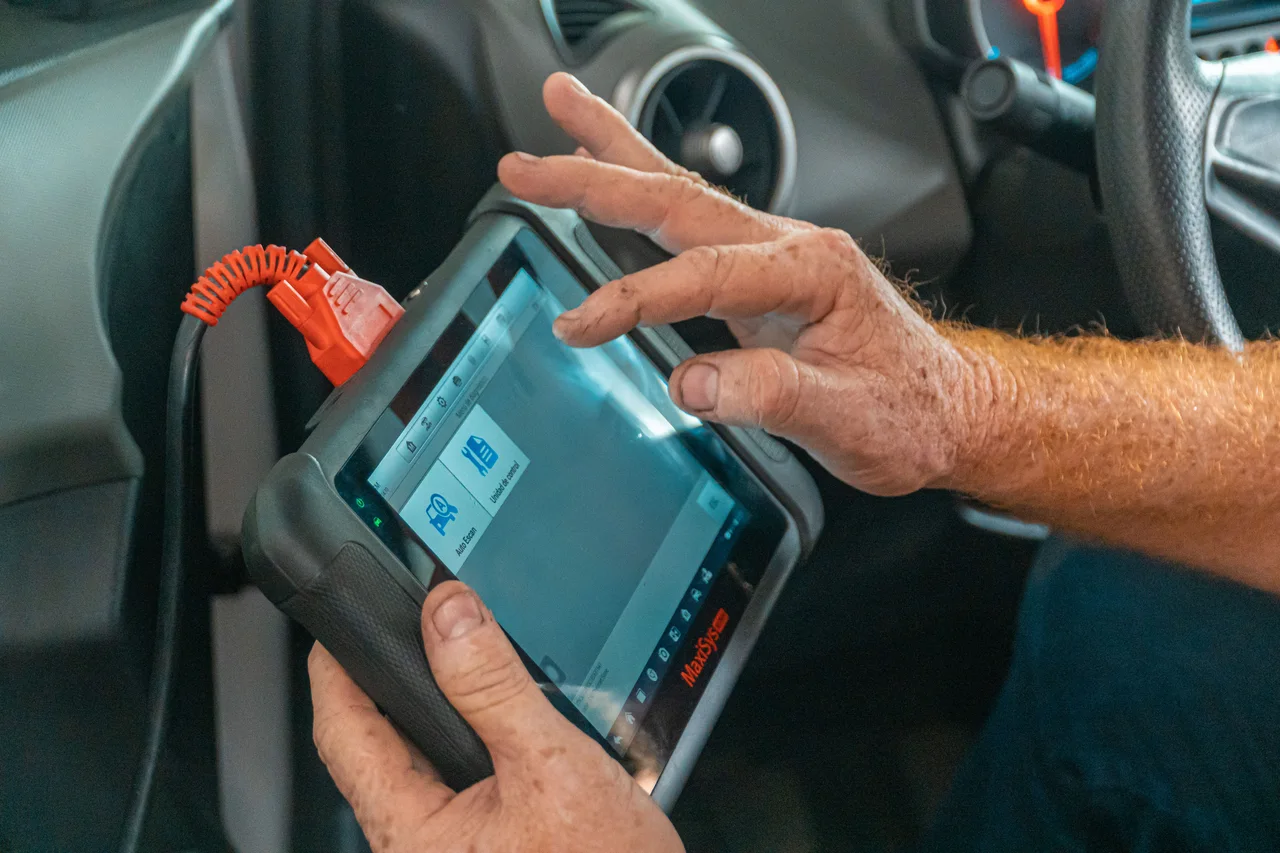
Brake assist and electronic systems add another layer. ABS helps manage wheel lock during hard braking, while stability-control systems can use individual brakes to help manage vehicle motion. A warning involving these systems does not necessarily mean the friction parts are worn out. The pedal behavior, warning symbol and circumstances help determine whether the concern involves mechanical wear, hydraulics, assist or electronic control.
Signs it’s time for a closer look.
- Grinding or squealing
- Vibration when braking
- Soft pedal or longer stopping distance
If braking performance changes suddenly, stop safely and arrange assistance.
A pull that appears only while braking
Unequal braking force can contribute, but tire and suspension condition may also affect the direction the vehicle takes. Tell the shop whether it tracks normally before the pedal is applied and whether the symptom began after recent work. That distinction is more useful than describing every pull as an alignment issue.
A hard pedal versus a soft or sinking pedal
These are different clues. An unusually hard pedal may involve brake assist, while a soft or sinking pedal can indicate a hydraulic concern. Neither should be dismissed as normal pad wear. If stopping ability changes, stop safely and arrange assistance instead of continuing to test the vehicle on the road.
Grinding, heat or a persistent burning smell
Grinding can indicate contact or damage beyond normal friction wear. A brake that fails to release may also generate excess heat. The affected wheel, odor and driving conditions can help guide inspection, but touching hot brake parts or continuing to drive to identify the sound can be unsafe.
What an inspection may cover.
The checks depend on your vehicle and symptoms. Your shop will confirm the diagnostic scope before work begins.
Friction parts
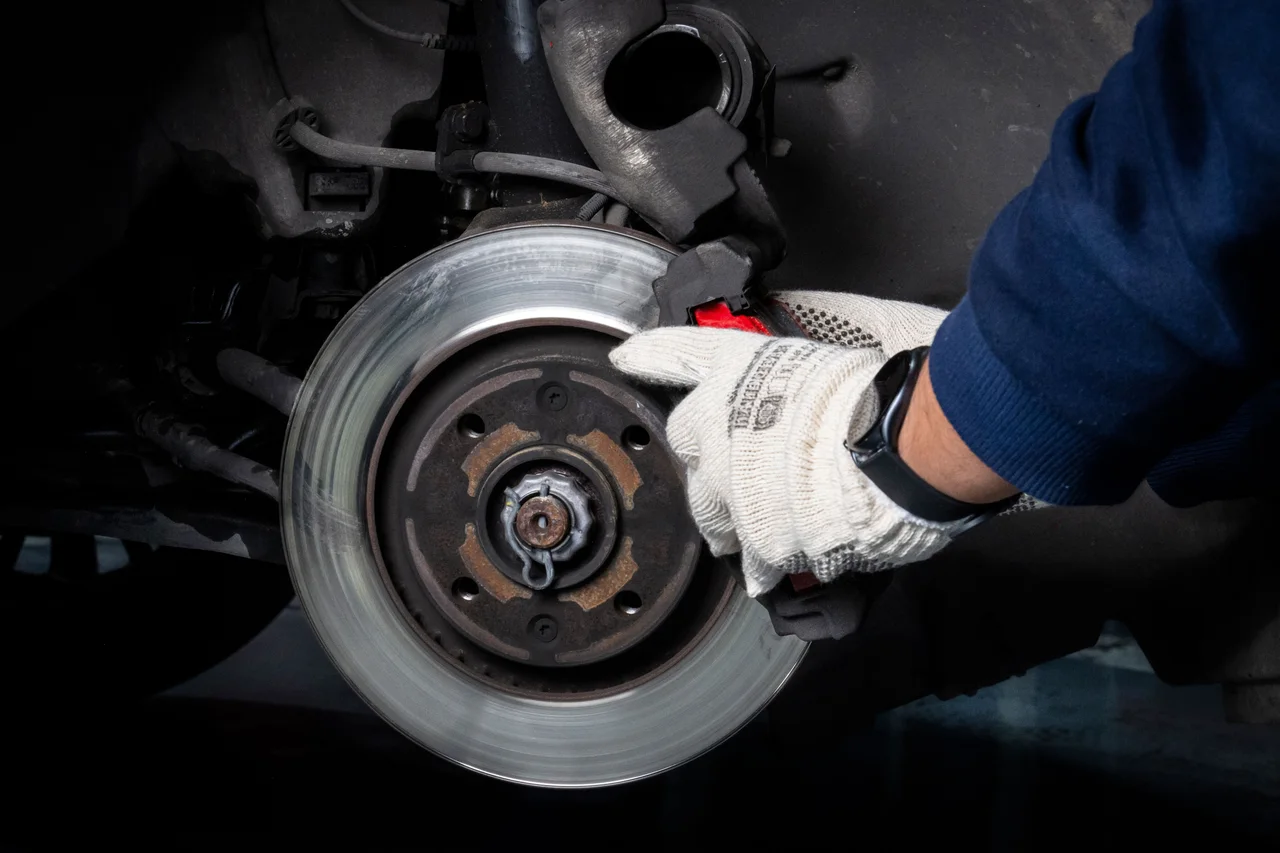
Pad wear, rotor condition and measurements help establish whether the friction surfaces are serviceable and whether wear is even.
Calipers & hardware
Caliper movement, mounting hardware and related components may explain uneven wear, dragging or noise that new pads alone would not resolve.
Hydraulics & warnings
Fluid leaks, hoses and pedal concerns guide further evaluation. A brake or ABS warning may require separate diagnostic testing.
Repair and service options.
Your vehicle may need one of these services, a combination, or a different repair. Inspection helps determine the right next step.
Pads & rotors
A recommendation should identify the affected axle, measured condition and proposed parts. Rotor treatment depends on condition and manufacturer limits.
Caliper or hydraulic repair
A sticking component or leak can call for work beyond friction parts. The estimate should explain the cause and the affected components.
Fluid service & system checks
Fluid service follows the vehicle’s specification and condition. An electronic warning calls for diagnosis rather than an assumption that pads are worn.
Understanding your options.
An axle recommendation versus a single worn part
Compare the condition of both sides of the affected axle. A recommendation for pads or shoes should account for balanced braking, while a badly worn component on just one side may point to a separate problem. Ask why the wear differs and which related parts are included in the estimate.
A friction repair versus an ABS diagnosis
New pads and rotors do not automatically resolve an ABS warning. Wheel-speed information, wiring and other control components may require separate testing. Keep each concern visible on the work order so a repair intended to address noise is not mistaken for a solution to an electronic warning.
Condition measurements versus a mileage assumption
Brake life varies with vehicle weight, driving conditions and use. Pad thickness, rotor limits, damage and component operation are more useful than a universal replacement mileage. Ask for the findings that support the work and whether anything else needs attention before the vehicle returns to service.
What affects cost and timing?
- Which axle and components need work
- Rotor condition, hydraulic faults and additional diagnostic testing
- Vehicle-specific parts, access and required procedures
How long will it take?
A wear inspection and a hydraulic or ABS diagnosis can have very different scopes. The shop can discuss timing after identifying the concern and confirming parts availability.
Before your visit.
- Describe whether the concern happens while braking, turning or driving steadily.
- Mention recent brake work and whether the pedal feel has changed.
- Share any warning lights and arrange transport guidance if braking feels unsafe.
After the service: what to understand and monitor.
- Ask whether the installed friction parts have specific initial-use guidance. Follow the instructions for the actual parts rather than an internet procedure for a different brake system.
- Report continued pulling, grinding, warning lights or an unexpected pedal change promptly. A new or worsening stopping concern calls for safe transport guidance.
- Keep the invoice identifying the serviced axle, parts and any hydraulic or electronic work so future noise or wear can be evaluated with that history.
About brake repair.
Does a squeal always mean I need new pads?
No. Noise can have several causes, including wear, surface condition or hardware. Inspecting the system is more useful than selecting parts from the sound alone.
Do rotors always need replacement with pads?
Not automatically. Measurements, damage, wear and manufacturer requirements determine whether a rotor remains serviceable. Ask which findings support the proposed work.
Why does the vehicle shake when I brake?
Brake components can contribute, but tire, wheel and suspension issues may also affect vibration. When and where you feel it helps guide the evaluation.
Can I request an inspection before deciding on repairs?
Yes. Describe your concern to the selected shop and ask about the evaluation scope and charge. Review the findings and repair estimate before authorizing work.
Does an ABS warning mean my brake pads are worn out?
Not necessarily. ABS monitors and controls braking through electronic and hydraulic components. Pad condition and an ABS warning may be separate concerns. Describe the exact warning and any change in braking; the owner’s manual explains the required response for your vehicle.
Should front and rear brakes be replaced together?
Only when their condition or the repair requirements support it. Front and rear brakes can wear at different rates. Ask for the measurements and findings for each axle rather than assuming that service on one axle means the other is due.
Why can brake service involve more than pads and rotors?
Hardware, caliper movement, hoses and hydraulic components affect how the friction parts operate. If a sticking part or leak caused the original wear, replacing only the visible wear items may leave that cause unresolved. The estimate should distinguish wear replacement from related repairs.
Talk with your local PAC team.
Choose the shop you plan to visit for brake repair. Share your vehicle year, make, model and the concern you’re noticing so the team can confirm the appropriate evaluation, vehicle compatibility and availability. Pasadena has two PAC locations; use the street name to reach the right team.
Understand the work before you approve it.
Talk through the findings, estimate and next steps with your PAC team. Ask which repairs qualify for the nationwide 2-year/24,000-mile warranty and review the coverage terms.
Explore warranty coverage