
Separate scheduled fluid maintenance from the testing needed for an active shifting problem.
From fluid service to major transmission work, the first step is understanding how the vehicle behaves. We evaluate symptoms and explain service, repair or replacement options.
Transmission maintenance and transmission fault diagnosis are different jobs. A fluid service may be due by schedule, while delayed engagement, slipping or shuddering needs evaluation of the operating concern. Transmission design, required fluid and the vehicle’s history shape the next step; one service method is not appropriate for every vehicle.
Why transmission design changes the service plan
The transmission manages how engine power reaches the wheels. Conventional automatics, continuously variable transmissions, dual-clutch units and manual gearboxes use different internal arrangements. Their fluid requirements and service procedures can differ even within one vehicle brand. The exact transmission, not simply the model name, is the starting point for a reliable recommendation.
In many automatic transmissions, fluid supports lubrication, heat management and hydraulic operation. Controls, sensors and mechanical components work together to select or manage the drive ratio. An unusual shift can therefore involve a control concern, fluid loss, internal wear or something outside the transmission. Maintenance records help, but they do not replace evaluation of an active symptom.
Signs it’s time for a closer look.
- Delayed or harsh shifting
- Slipping or shuddering
- Warning lights or leaks
Use the fluid specification required by your vehicle.
Delay when selecting Drive or Reverse
Describe whether the delay happens after parking overnight, only when warm or every time a range is selected. Delayed engagement differs from a harsh shift while moving. This distinction helps focus the evaluation; repeatedly accelerating to force engagement can make the situation less predictable.
Engine speed rises without expected acceleration
This may be described as slipping, but normal behavior depends on the transmission design and driving conditions. Share whether the change is new, whether warnings appear and whether it occurs at a particular speed. Severe loss of drive calls for safe stopping and transport guidance.
Shudder, clunk or vibration
A vibration under acceleration, a clunk when selecting a range and a vibration at steady road speed are different observations. Engine performance, mounts, tires or driveline parts can resemble a transmission concern. The timing of the symptom matters more than guessing which assembly caused it.
What an inspection may cover.
The checks depend on your vehicle and symptoms. Your shop will confirm the diagnostic scope before work begins.
Operating concern
When the issue occurs matters: cold, warm, accelerating or selecting a gear. Related engine or driveline behavior may also need consideration.
Fluid & leaks
Fluid condition, level-check procedures and leaks are evaluated according to the transmission design. Appearance alone does not establish the condition of every internal part.
Diagnostic information
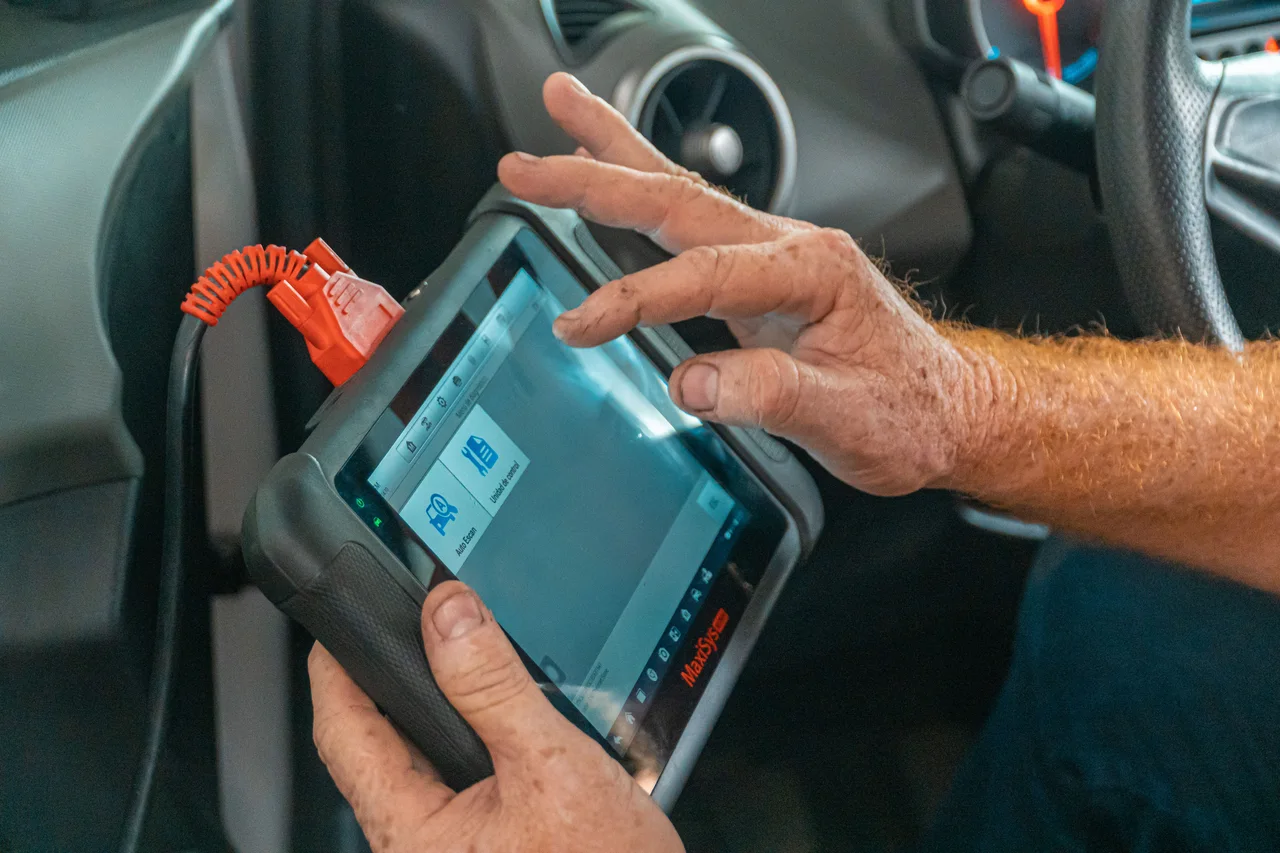
Relevant faults and operating data help guide testing. Electronic control concerns and internal mechanical faults may require different investigations.
Repair and service options.
Your vehicle may need one of these services, a combination, or a different repair. Inspection helps determine the right next step.
Scheduled fluid or filter service
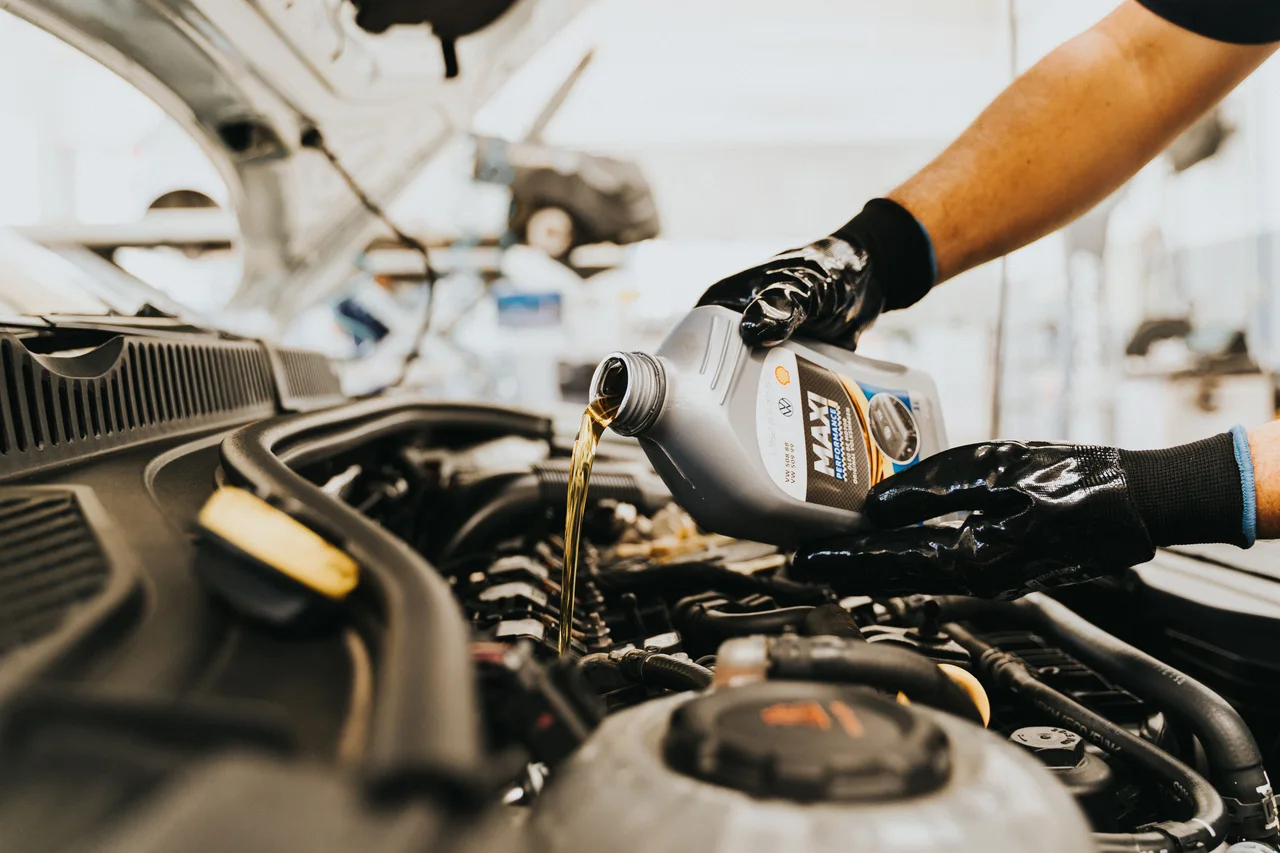
The correct specification, interval and method come from the vehicle’s requirements. Confirm which filter, fluid and related work are included.
Targeted repair
A confirmed leak, connection or serviceable component may support a focused repair. The findings should explain why that work addresses the reported concern.
Major repair or replacement
Significant internal findings may lead to broader options. Compare the complete scope, supplier details, supporting work and written warranty eligibility.
Understanding your options.
A scheduled service or an active fault
When maintenance is due and the vehicle operates normally, the discussion can focus on the specified fluid, filter and method. When it slips, loses drive or sets a warning, diagnosis should establish the concern before a fluid service is presented as the solution.
Drain-and-fill versus another service method
Different methods replace different amounts of fluid and may involve different filter access. The manufacturer’s requirements and transmission condition guide the choice. Ask what the proposed service includes, rather than assuming a name such as “flush” defines the same procedure everywhere.
A serviceable fault or major internal work
A confirmed external leak, wiring issue or other serviceable fault can have a different scope from internal wear. For major work, compare assembly details, supporting repairs, setup requirements and coverage. Ask which evidence supports the recommendation and what additional findings could change it.
What affects cost and timing?
- Transmission type and required fluid or parts
- Whether the need is maintenance, an external repair or internal work
- Diagnostic depth, access and replacement availability
How long will it take?
An interval-based fluid service differs from testing a shifting fault or sourcing a replacement assembly. Confirm the transmission type and symptoms before discussing scheduling and likely scope.
Before your visit.
- Describe the speed, gear selection and temperature when the symptom occurs.
- Bring fluid-service and previous repair records if available.
- Mention towing, modifications and any warning messages.
After the service: what to understand and monitor.
- Keep a record of the fluid specification, parts and type of work performed. It is useful for later maintenance and for understanding what a previous service actually covered.
- Follow any vehicle-specific instructions supplied with the repair. Report continuing slipping, harsh engagement or warning messages instead of assuming every symptom is a normal adjustment period.
- If fresh leakage or an overheating warning appears, contact the shop promptly. Avoid adding a universal fluid or additive without confirming the required specification and cause.
About transmission service & repair.
Will a fluid change fix slipping?
It should not be promised as a repair without diagnosis. Slipping can have different causes, and a scheduled fluid service does not correct every mechanical or control fault.
Are all transmission fluids interchangeable?
No. The correct fluid specification is essential and varies by transmission. Confirm the exact vehicle requirements rather than selecting fluid by color or a general label.
Is a shudder always a transmission problem?
No. Engine, driveline, tire or other concerns can feel similar. Describe the conditions so testing can distinguish the source before transmission work is recommended.
Can every transmission be serviced the same way?
No. Conventional automatics, CVTs and other designs can require different equipment and procedures. Confirm the selected shop’s scope for your exact vehicle before the visit.
Does “sealed transmission” mean it never needs attention?
It commonly means there is no conventional owner-accessible dipstick, not that all inspection or service is unnecessary. The manufacturer’s maintenance information and the transmission’s condition still matter. Level checking may require a specific temperature and procedure.
Why does the shop need to know whether the issue happens cold?
Fluid temperature and operating conditions can affect when a symptom appears. A vehicle that hesitates only on the first start of the day may need a different observation plan from one that develops a problem after a long drive.
Should I add a transmission treatment before my visit?
Discuss the concern with the shop first. An additive does not establish the cause of a fault and may not match the transmission’s fluid requirements. Tell the team about any product already added so that information is part of the evaluation.
Talk with your local PAC team.
Choose the shop you plan to visit for transmission service & repair. Share your vehicle year, make, model and the concern you’re noticing so the team can confirm the appropriate evaluation, vehicle compatibility and availability. Pasadena has two PAC locations; use the street name to reach the right team.
Understand the work before you approve it.
Talk through the findings, estimate and next steps with your PAC team. Ask which repairs qualify for the nationwide 2-year/24,000-mile warranty and review the coverage terms.
Explore warranty coverage