Get a clear explanation of what the evidence shows and what remains to be tested.
Intermittent faults and performance problems need a methodical approach. We discuss the symptoms, test the relevant systems and explain the findings before recommending work.
A symptom is a clue, not a parts list. Intermittent faults, vibration and loss of performance can cross several systems. Diagnosis combines your observations with relevant testing to narrow the cause. An initial evaluation may identify the issue or establish the next test needed; the scope should stay clear at each step.
Turn a recurring symptom into a testable question
Modern vehicles combine mechanical parts, electrical circuits and control modules. A control module can report what it observed, but it cannot always identify why the condition happened. A weak power supply, worn mechanical component or incorrect sensor input may produce overlapping symptoms. Useful diagnosis follows the evidence across those boundaries rather than treating every warning as an independent part failure.
The first goal is to define the concern: what changes, under which conditions and how often. Testing then compares expected operation with actual behavior. Results may confirm a cause, rule out a possibility or show that a different condition needs to be captured. That distinction helps you understand what a diagnostic charge covers and why a second stage may sometimes be needed.
Signs it’s time for a closer look.
- Intermittent loss of power
- A concern that keeps returning
- Unusual noise or vibration
A trouble code is a starting point, not a parts-replacement instruction.
A problem appears only after the vehicle warms up
Heat can change the behavior of mechanical and electrical components. A cold inspection may not reproduce a warm-engine fault. Tell the shop approximately how long the vehicle was operating, whether it was moving or idling and what restored normal operation, without attempting unsafe repeat tests.
Several warnings appear at the same time
Related systems may share power, grounds or information. One underlying fault can affect several functions, but separate problems are also possible. The order in which the warnings appeared and any recent battery or repair history can help distinguish the initial issue from its secondary effects.
The same symptom returns after replacing a part
The original cause may remain, an associated condition may have been missed or a different fault may resemble the first. Bring the previous findings and invoice. A return symptom should be evaluated against the evidence rather than used as an automatic reason to replace the same part again.
What an inspection may cover.
The checks depend on your vehicle and symptoms. Your shop will confirm the diagnostic scope before work begins.
Understand the conditions
Temperature, speed, load and frequency can be important. A detailed description helps the team plan how to investigate a concern that may not occur every time.
Review available evidence
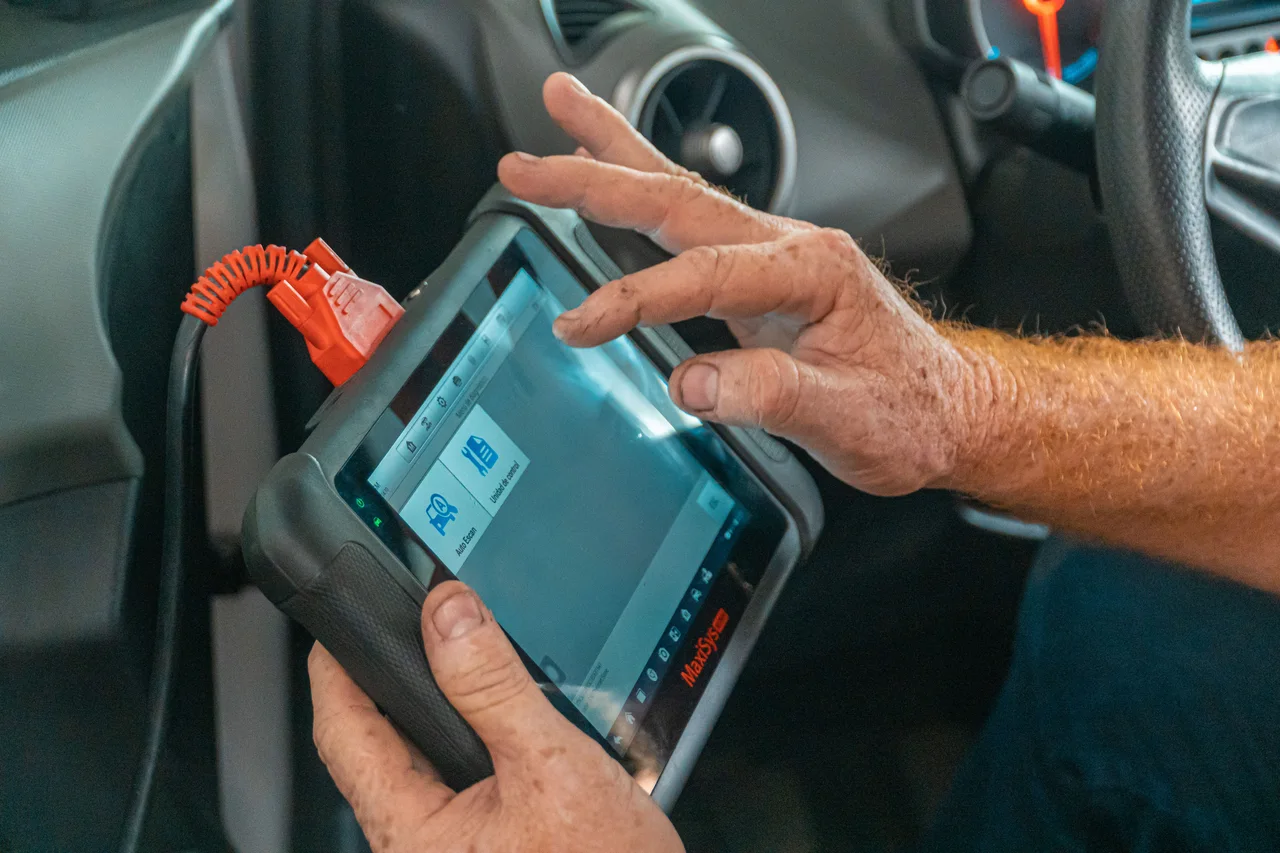
Stored faults and relevant operating data may provide context. Mechanical symptoms can also require physical inspection rather than relying on a scan alone.
Test the likely system
Measurements and targeted checks help distinguish a failed component from wiring, supply or another underlying issue. Tests depend on the vehicle and symptoms.
Repair and service options.
Your vehicle may need one of these services, a combination, or a different repair. Inspection helps determine the right next step.
A defined diagnostic step
Discuss the initial evaluation, its charge and what it can establish. Further testing should have a clear reason and an agreed scope.
Findings before parts
A recommendation should connect the test findings to the proposed repair. Replacing a suspected part without that connection may leave the original concern unresolved.
Verification after the work
The appropriate recheck depends on the fault and conditions. Intermittent concerns may need follow-up observations even when the immediate test result is satisfactory.
Understanding your options.
A diagnostic appointment versus permission to repair
An agreed evaluation authorizes its defined testing scope; it is not unlimited authorization for parts or repairs. Ask what the first stage includes and when the shop will contact you. Any additional testing or repair should have a stated reason and a scope you understand.
A confirmed cause versus an unconfirmed possibility
A useful explanation separates measured failures, likely causes and remaining uncertainty. Ask what test result supports a proposed component replacement. If the concern did not occur during evaluation, discuss the observations that would help next rather than treating a quiet visit as proof the problem is gone.
Electronic data versus a mechanical investigation
A scan may be relevant to a noise, vibration or performance complaint, but it cannot replace every physical measurement. The suspected system determines the appropriate checks. An absence of trouble codes does not establish that tire, driveline, engine or suspension condition is normal.
What affects cost and timing?
- How readily the concern can be reproduced
- The systems involved and depth of testing needed
- Access to components and vehicle-specific diagnostic requirements
How long will it take?
An intermittent concern may require more observation than a consistent fault. Describe the pattern before the visit and ask how the shop will handle additional testing or updates.
Before your visit.
- Note when the concern started and conditions that make it appear.
- Bring prior diagnostic findings and details of recently replaced parts.
- Share a safely recorded symptom or warning photo if you already have one.
After the service: what to understand and monitor.
- Keep a record of the confirmed findings, work completed and any limitation on reproducing the concern. That context makes future follow-up more useful.
- If the symptom returns, note the operating conditions and whether its behavior is identical. Do not record a phone video while driving or deliberately recreate an unsafe fault.
- Ask what checks support the repair and which observations remain useful during normal use. A cleared code alone does not explain how an intermittent concern was verified.
About advanced diagnostics.
Is a code scan the same as diagnosis?
No. A scan can identify stored information. Diagnosis uses that information, the symptoms and relevant testing to determine why the system reported a problem.
What if the vehicle behaves normally at the shop?
Intermittent concerns can be difficult to reproduce. Your description and any available records help. The team should explain what was observed and any remaining uncertainty.
Can you use another shop’s diagnostic report?
Bring it with you. It can provide useful history, although the selected shop may need to verify findings before recommending or taking responsibility for a repair.
Will I know the repair price before testing?
The diagnostic scope can be discussed first. A reliable repair estimate usually depends on identifying the cause, required parts and work involved.
Can a vehicle need diagnosis when no warning light is on?
Yes. Mechanical wear, vibration, noise and some intermittent faults may not illuminate a warning. Describe the behavior itself, including when it occurs. The appropriate evaluation depends on the complaint, not only whether the dashboard displays a code-related warning.
Why might the shop need the vehicle overnight?
Certain concerns appear after a cold start, an extended parked period or a particular temperature change. Keeping the vehicle may help reproduce those conditions. Confirm whether that is relevant to your complaint, what testing is authorized and how updates will be handled.
What makes a useful symptom description?
Describe what you notice rather than naming a suspected part: slow cranking, a shake under braking or power loss once warm. Include frequency, recent repairs and conditions that change the symptom. Safely captured existing photos or reports can supplement that history.
Talk with your local PAC team.
Choose the shop you plan to visit for advanced diagnostics. Share your vehicle year, make, model and the concern you’re noticing so the team can confirm the appropriate evaluation, vehicle compatibility and availability. Pasadena has two PAC locations; use the street name to reach the right team.
Understand the work before you approve it.
Talk through the findings, estimate and next steps with your PAC team. Ask which repairs qualify for the nationwide 2-year/24,000-mile warranty and review the coverage terms.
Explore warranty coverage