Define the actual maintenance tasks and keep active performance diagnosis separate from a tune-up label.
Modern tune-up needs vary by vehicle. We use its maintenance schedule and condition to recommend appropriate ignition, filter and related service.
“Tune-up” can mean different things on different vehicles. Modern maintenance may include scheduled spark plugs, filters and other items specified for the engine. Rough idle or reduced performance also needs a separate look: routine maintenance is useful when due, but it should not be presented as the proven fix for an undiagnosed fault.
Modern tune-ups begin with the exact engine
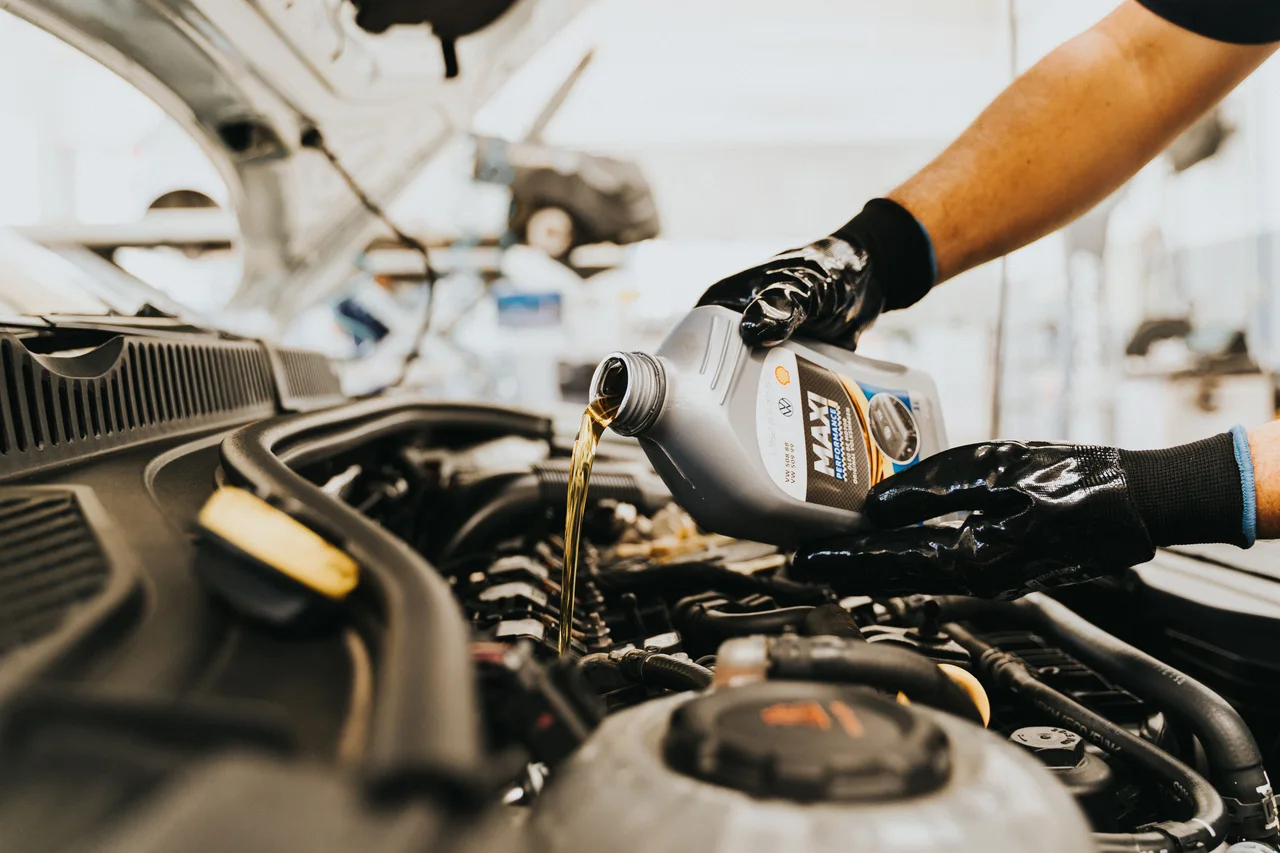
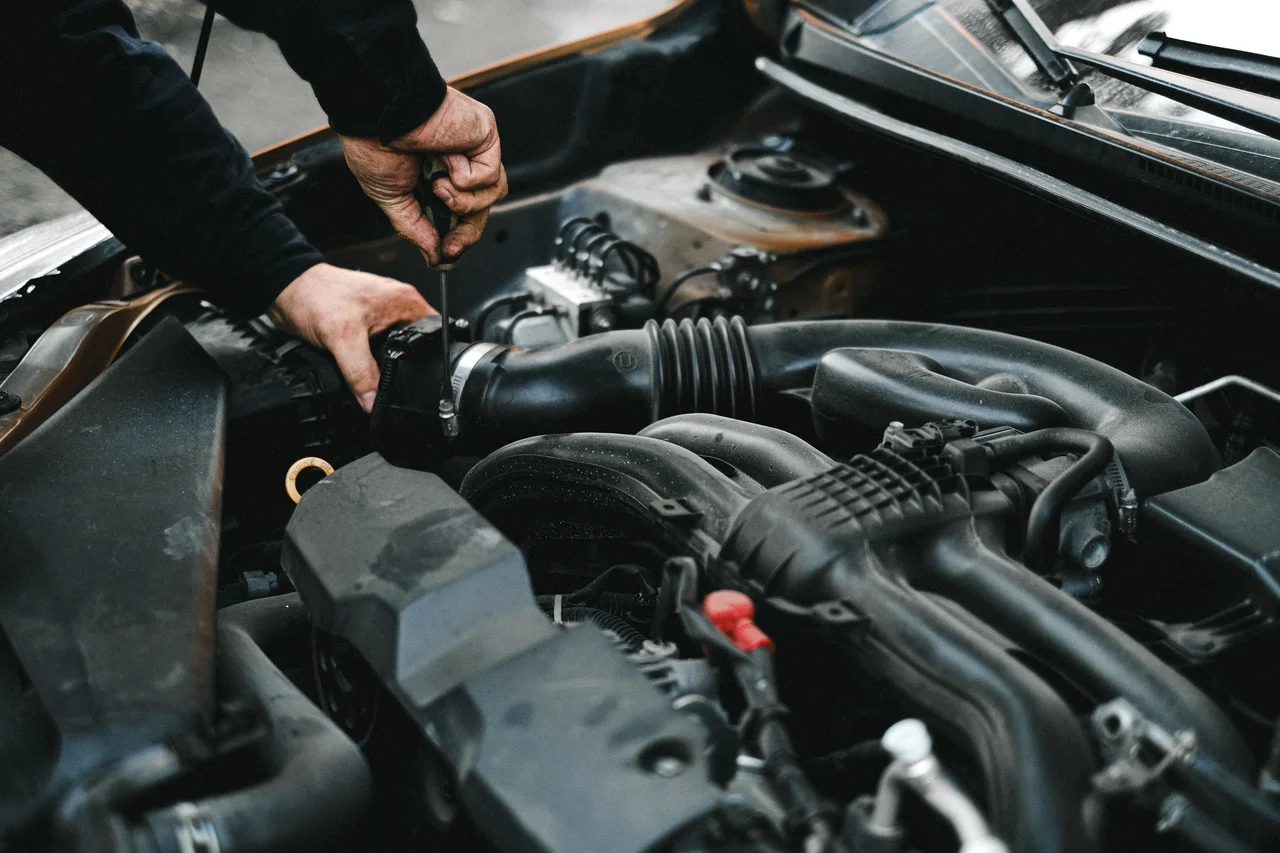
For many gasoline engines, scheduled ignition care includes spark-plug replacement at the manufacturer’s specified interval. Filters, fluids and other maintenance items have their own requirements. Modern electronic controls manage many functions once associated with traditional tune-up adjustments, so a useful recommendation names the actual tasks instead of relying on a general package label.
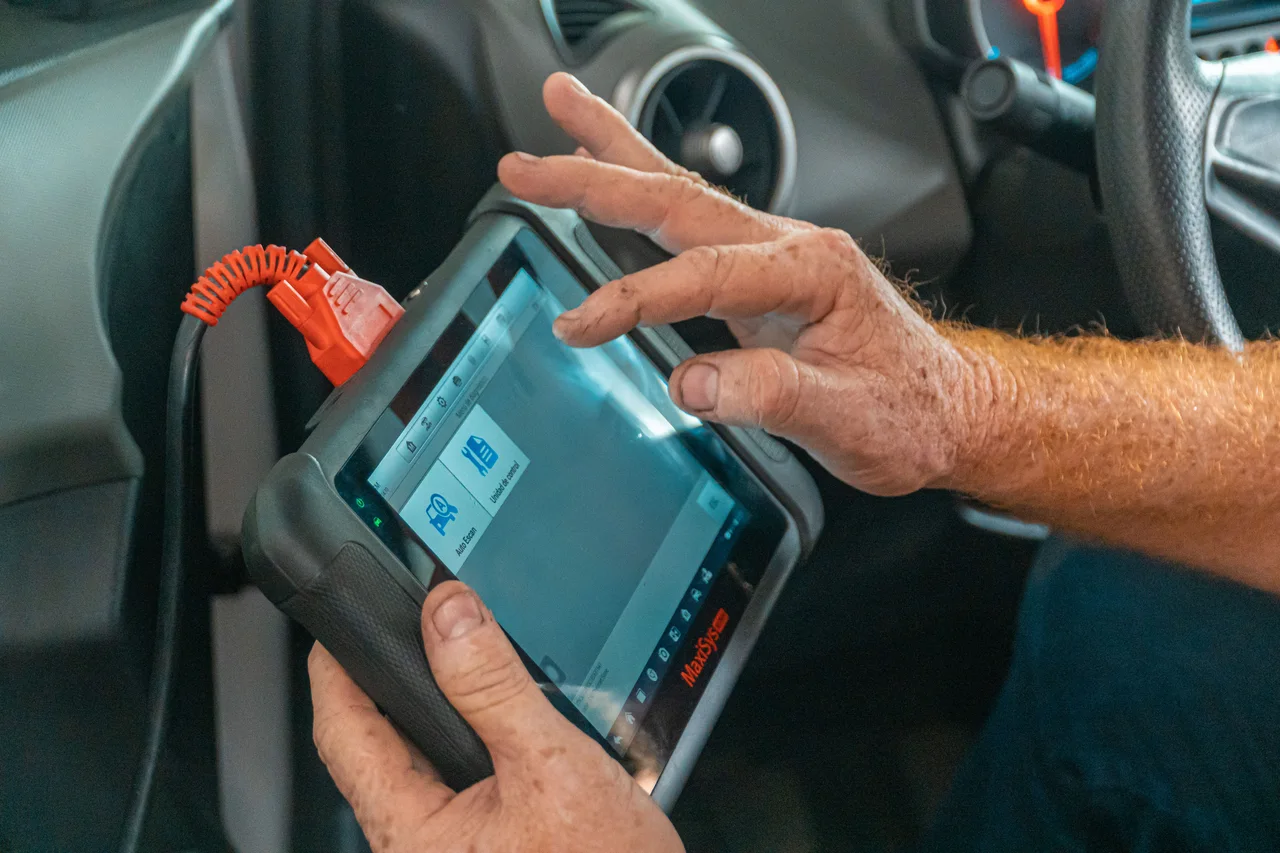
Maintenance and diagnosis answer different questions. Maintenance asks what is due by time, mileage, use and condition. Diagnosis asks why the vehicle is misfiring, hesitating or showing a warning. An overdue item may contribute to a symptom, but the relationship should be established before routine service is offered as a proven repair. Keep both needs clear when requesting a visit.
Signs it’s time for a closer look.
- Spark-plug service is due
- Rough idle or reduced performance
- Incomplete maintenance history
Performance concerns may need diagnosis before maintenance is recommended.
Rough idle or hesitation under acceleration
Ignition wear is one possibility, but intake air, fuel delivery and mechanical concerns can cause similar behavior. Note whether the condition occurs cold, warm, at idle or under load. An active misfire needs evaluation rather than a standard list of replacement parts.
Service is due but the engine feels normal
Some maintenance items are due before a noticeable symptom develops. Service history and the correct schedule help identify them without assuming every item must be replaced at once. A vehicle that runs well can still benefit from a documented plan for upcoming work.
Reduced performance after a long gap in maintenance
An incomplete history can make it difficult to separate overdue care from a new fault. Share what is known and what is uncertain. A review can establish a starting point, while testing addresses any specific warning, hesitation or unusual running condition.
What an inspection may cover.
The checks depend on your vehicle and symptoms. Your shop will confirm the diagnostic scope before work begins.
Ignition-service requirements
The engine’s schedule and service history help establish whether spark-plug maintenance is due. Relevant symptoms may call for diagnostic testing first.
Filters & intake condition
Engine and cabin filters serve different purposes. Condition and the applicable schedule guide recommendations rather than treating all filters as one performance repair.
Other scheduled items
Belts, hoses and specified fluid services can be reviewed against mileage, time and condition. The proposed visit should identify each included task.
Repair and service options.
Your vehicle may need one of these services, a combination, or a different repair. Inspection helps determine the right next step.
Spark-plug service
Use the required plug specification and procedure. Access can vary widely by engine, affecting the scope even when the service name is the same.
Appropriate filter replacement
A restricted or due filter may warrant replacement. Ask which filter is involved and what function it serves rather than assuming every filter change improves engine performance.
Diagnosis for an active symptom
A misfire, rough idle or warning light may need testing beyond maintenance. Any recommended ignition component should have a reason connected to findings.
Understanding your options.
Spark plugs versus other ignition components
Scheduled plugs and a failed ignition coil are different recommendations. The required plug specification, engine access and component condition matter. Ask which items are due for maintenance and which are being proposed because testing identified a fault.
Engine air filter versus cabin air filter
The engine filter protects intake airflow to the engine; the cabin filter, where fitted, filters air used by the passenger ventilation system. Each has its own condition and service requirements. Replacing a cabin filter should not be presented as a repair for engine hesitation.
A catch-up plan versus a universal package
Missing records do not prove that every possible service is overdue. Start with the applicable schedule, available records and inspection findings. An itemized plan can separate immediate faults from scheduled work and explain the reason for each task you authorize.
What affects cost and timing?
- Which maintenance items are due for the exact engine
- Spark-plug access and vehicle-specific parts
- Any separate diagnosis needed for a performance concern
How long will it take?
The term tune-up does not define a fixed job. Confirm the included parts and labor first; access and any additional diagnostic work determine the visit plan.
Before your visit.
- Provide mileage and the last known spark-plug or filter service.
- Describe rough running or warning lights separately from the maintenance request.
- Ask for an itemized scope so you know what the proposed tune-up includes.
After the service: what to understand and monitor.
- Retain an itemized record of the plugs, filters, fluids and other work completed, including the date and mileage. It provides a practical baseline for the next visit.
- Follow the vehicle’s applicable service schedule rather than repeating a generic tune-up package. Share changes in towing, trip length or other driving demands with the shop.
- If rough running or a warning persists, arrange diagnosis rather than assuming more maintenance parts are needed. A flashing check-engine light or severe power loss warrants prompt safe stopping and assistance.
About tune-ups & vehicle maintenance.
What is included in a tune-up?
There is no universal package for every vehicle. The scope should list the specific maintenance items due for your engine, together with any separate evaluation you have requested.
Should coils be replaced whenever plugs are changed?
Not automatically. Component condition, diagnostic findings and vehicle requirements guide that decision. Scheduled plug replacement alone does not establish that every ignition coil has failed.
Will a tune-up improve my fuel economy?
Correct overdue maintenance can address a contributing issue, but a specific improvement cannot be promised. Driving conditions, tires and mechanical faults can also affect fuel use.
What is the difference from preventative maintenance?
Preventative maintenance covers the vehicle’s broader service plan. A tune-up request usually focuses on engine-related scheduled items; the exact work still needs to be defined.
Do I need a tune-up before a long road trip?
The trip is a useful reason to review maintenance due and any existing symptoms, but it does not automatically make every tune-up item necessary. Share the planned distance, current mileage and service records so the visit can focus on relevant needs.
Are expensive spark plugs always the right upgrade?
The right choice is the specification required for the engine, including its design and application. A higher price or performance label does not establish compatibility or a benefit. The service recommendation should identify suitable parts for the exact vehicle.
Should I replace timing components as part of every tune-up?
No. Timing belts, chains and related components have vehicle-specific requirements and are not a universal part of a tune-up. Review the manufacturer’s schedule and any relevant diagnostic findings separately, with the scope clearly listed before authorization.
Talk with your local PAC team.
Choose the shop you plan to visit for tune-ups & vehicle maintenance. Share your vehicle year, make, model and the concern you’re noticing so the team can confirm the appropriate evaluation, vehicle compatibility and availability. Pasadena has two PAC locations; use the street name to reach the right team.
Understand the work before you approve it.
Talk through the findings, estimate and next steps with your PAC team. Ask which repairs qualify for the nationwide 2-year/24,000-mile warranty and review the coverage terms.
Explore warranty coverage